November 23, 2026
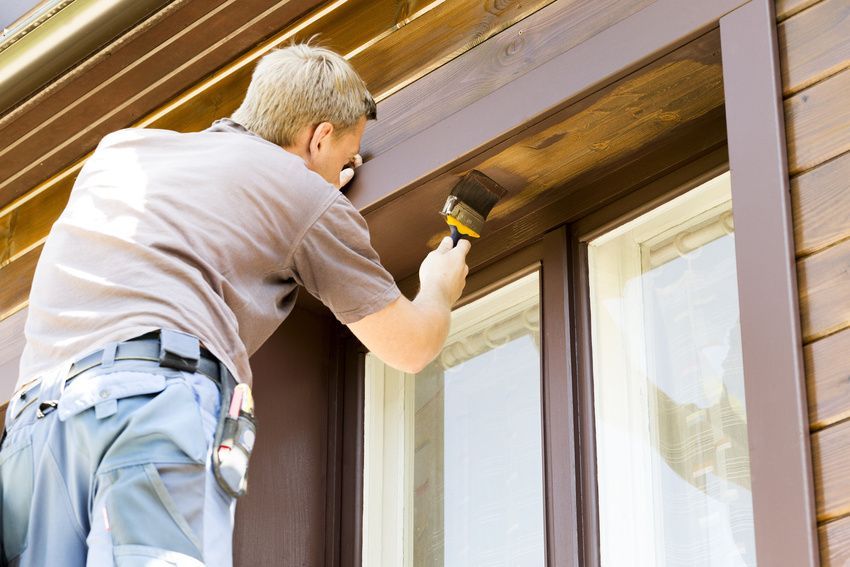
A fresh coat of paint enhances a home's appearance and protects exterior surfaces. However, its longevity depends on paint quality, surface preparation, and weather exposure. In Mississippi, humidity, heavy rainfall, and intense sunlight can accelerate wear.
Experienced exterior painting contractors understand these local challenges and use appropriate materials and application methods. Understanding seven key factors that affect paint durability can help homeowners make informed decisions about maintaining their properties.
1. Evaluating the Quality of Paint Products
The quality of paint used for an exterior project plays a significant role in its overall lifespan. Not all paint products offer the same level of durability, weather resistance, or protection against fading. Higher-quality exterior paints are generally formulated to withstand environmental exposure while maintaining their color and finish.
Some products also contain additives that improve resistance to mildew, moisture, and ultraviolet (UV) exposure. These properties are particularly valuable in Mississippi, where warm temperatures and humid conditions can create additional challenges for exterior surfaces.
Choosing an appropriate paint product involves considering the building material, existing surface condition, and local climate. A product designed for one application might not provide the same performance on another material.
Professional exterior painting contractors can help property owners select suitable coatings based on the property's needs. Using compatible, quality products can support better coverage, a more consistent appearance, and longer-lasting results.
2. Assessing the Importance of Surface Preparation
Proper surface preparation is another major factor affecting paint longevity. Even high-quality paint may not adhere properly when applied over dirt, peeling paint, mildew, or damaged surfaces. Without adequate preparation, the new coating can begin bubbling, cracking, or peeling prematurely.
Exterior surfaces need to be evaluated before painting begins. Depending on their condition, preparation may involve cleaning, removing loose or deteriorating paint, addressing mildew, repairing minor surface damage, and allowing the material to dry appropriately.
Mississippi's humid climate makes this step especially important. Moisture and organic growth can accumulate on exterior surfaces, particularly in shaded areas that receive limited sunlight. Painting over these conditions can compromise adhesion and affect the finished appearance.
Experienced exterior painting contractors understand that preparation is essential to achieving a durable finish. Addressing underlying surface concerns before applying paint helps create a more suitable foundation for the coating.
3. Considering Local Weather and Climate Conditions
Weather exposure has a direct influence on how long exterior paint maintains its appearance and protective qualities. Sunlight, rain, wind, and temperature fluctuations can gradually break down paint coatings.
Mississippi homeowners should pay particular attention to humidity and rainfall. Frequent moisture exposure can contribute to peeling, blistering, and mildew growth, especially when water enters through existing cracks or damaged areas. Extended periods of intense sunlight can also cause certain paint colors to fade over time.
Temperature changes matter as well. Exterior materials expand and contract as temperatures fluctuate. These movements can place stress on paint coatings, potentially contributing to cracking or separation.
The timing of an exterior painting project can influence its results. Professional painters consider weather forecasts, surface temperatures, humidity levels, and recommended drying conditions before scheduling applications.
Working with exterior painting contractors who understand regional weather patterns can help property owners plan projects under more favorable conditions. Proper timing and product selection contribute to a finish that's better equipped to handle Mississippi's changing environment.
4. Understanding the Impact of Exterior Surface Materials
The material being painted also affects how long the coating lasts. Different exterior surfaces have different levels of porosity, flexibility, and moisture resistance. Consequently, they don't always respond to paint in the same way.
Wood siding, for example, can absorb moisture and experience expansion or contraction as environmental conditions change. These movements may eventually affect the surrounding paint. Masonry surfaces, including brick and concrete, can also present challenges because their porous structure may allow moisture to move through the material.
Vinyl and other manufactured siding materials require compatible paint products and application methods. Using an unsuitable coating can affect adhesion, appearance, and overall performance.
Before starting a project, the property's exterior materials should be carefully assessed. The appropriate primer, paint formulation, and application approach depend partly on these characteristics.
Qualified exterior painting contractors can identify material-specific considerations and recommend suitable products. Matching the coating to the surface helps support consistent coverage and dependable performance over time.
5. Examining the Role of Application Techniques
How paint is applied can influence its appearance, adhesion, and durability. Even when the right products are selected, inconsistent application may result in uneven coverage or areas that are more vulnerable to weather exposure.
Application involves more than distributing paint across a surface. Factors such as coating thickness, coverage consistency, drying time, and the number of recommended coats all contribute to the finished result.
Applying too little paint may leave surfaces insufficiently protected, while excessive application can contribute to problems such as sagging or uneven drying. Following manufacturer recommendations helps maintain the intended performance of the product.
According to HomeGuide, painting a home's exterior generally requires approximately one gallon of paint for every 250 to 400 square feet, depending on paint quality and surface texture. This variation demonstrates why estimating material requirements involves evaluating the property's size and exterior characteristics rather than relying on a single measurement.
Professional exterior painting contractors account for these details when planning a project. Proper application techniques help create a uniform finish while supporting the paint's ability to withstand everyday environmental exposure.
6. Recognizing the Effects of Ongoing Maintenance
Even a professionally applied paint job requires attention over time. Regular maintenance can help preserve its appearance and identify minor concerns before they develop into more significant problems.
Exterior surfaces are constantly exposed to environmental elements. Dirt, pollen, moisture, and organic growth can gradually accumulate, affecting the appearance of painted areas. In Mississippi, shaded sections of a property may be especially susceptible to mildew and moisture-related concerns.
Periodic inspections can help identify early signs of deterioration, including small cracks, peeling sections, discoloration, and areas where moisture may be affecting the underlying material. Addressing these issues promptly can help prevent further damage.
Property owners should also pay attention to gutters, drainage systems, and areas where water collects near exterior walls. Poor drainage or persistent leaks can expose painted surfaces to unnecessary moisture.
Maintenance doesn't mean a property will never need another paint job. However, identifying developing concerns and keeping exterior surfaces in suitable condition can help extend the useful life of an existing coating.
7. Identifying the Influence of Sunlight and Property Exposure
The position of a home and its exposure to environmental elements can also affect paint longevity. Some exterior walls receive several hours of direct sunlight each day, while others remain shaded for extended periods.
Walls that receive intense sunlight may experience more noticeable fading over time. UV exposure gradually affects paint pigments and can contribute to changes in color and finish. Darker colors may show fading differently from lighter shades, depending on the product and surrounding conditions.
Shaded areas face different challenges. Limited sunlight can slow moisture evaporation, creating conditions that encourage mildew and other organic growth. Areas beneath trees may also collect leaves, pollen, and debris, which can affect the appearance of painted surfaces.
A property's landscaping, orientation, and surrounding structures affect paint durability. Experienced exterior painting contractors consider these exposure differences when recommending suitable products and finishes. In Mississippi, humidity, rainfall, and intense sunlight can accelerate deterioration, making proper preparation, quality materials, and ongoing maintenance essential for preserving an attractive, long-lasting exterior.
Whether you're refreshing an aging exterior or planning a new paint project, choosing experienced professionals can make a meaningful difference. Guillot Construction provides construction and exterior painting services throughout Mississippi, helping property owners approach their projects with attention to quality and lasting results.
Contact Guillot Construction today to discuss your exterior painting needs and schedule a consultation for your property.